
Understanding Laser Eye Surgery
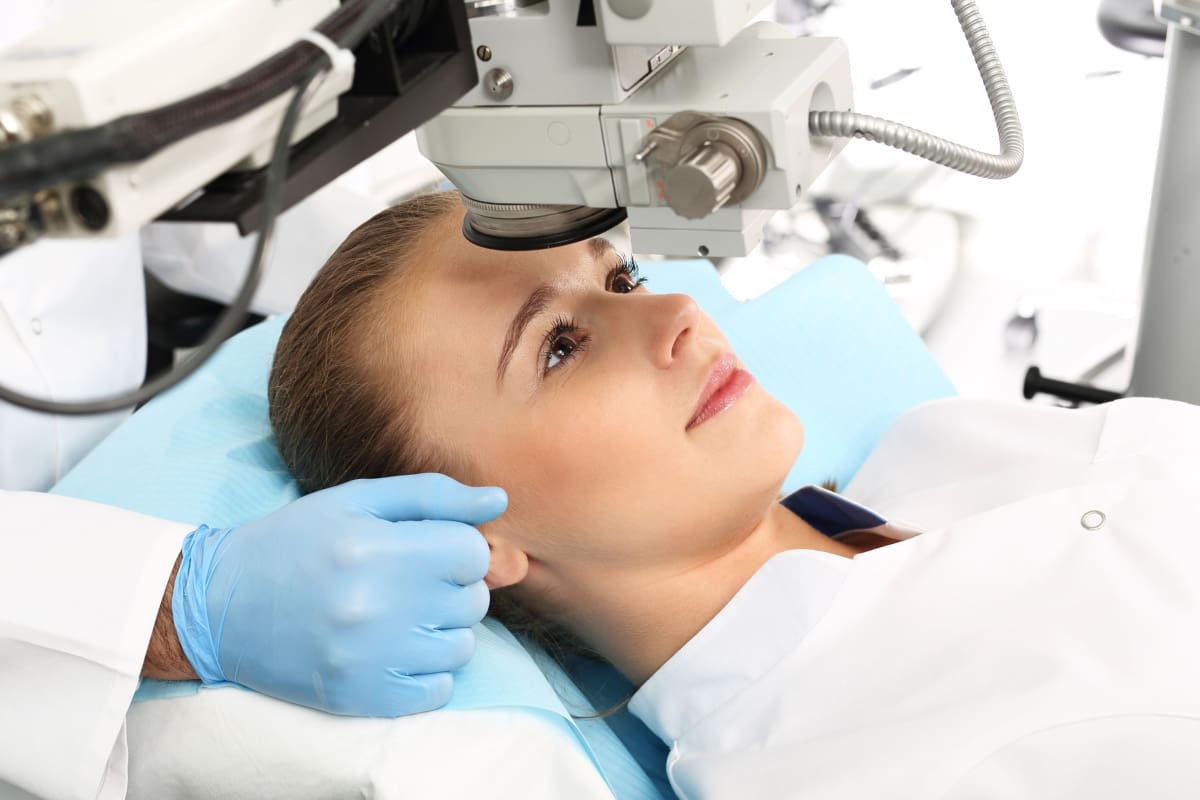
Laser eye surgery has transformed vision correction, offering millions of people worldwide freedom from glasses or contact lenses. Techniques like LASIK (Laser-Assisted In Situ Keratomileusis), PRK (Photorefractive Keratectomy), SMILE (Small Incision Lenticule Extraction), and Wavefront-guided LASIK use advanced laser technology to reshape the cornea safely and effectively.
Despite its popularity, many myths and misconceptions persist, causing unnecessary anxiety for potential patients. Understanding the facts versus fiction can help you make informed decisions about your eye health.
See more: Is Perfect LASIK Right for You? A Doctor’s Honest Advice
Preparing for Your Procedure
Proper preparation ensures safety and optimizes results.
1. Consultation with an Ophthalmologist
- Comprehensive eye examination, including corneal mapping and vision testing.
- Discussion of medical history, lifestyle, and medications that may affect surgery suitability.
2. Contact Lens Discontinuation
- Soft lenses: 1–2 weeks before surgery.
- Rigid lenses: longer break required for accurate measurements.
3. Planning Recovery
- Arrange transportation post-surgery; you cannot drive immediately.
- Schedule a few days off for recovery, particularly if undergoing PRK, which has slower initial visual recovery.
What Happens During Laser Eye Surgery
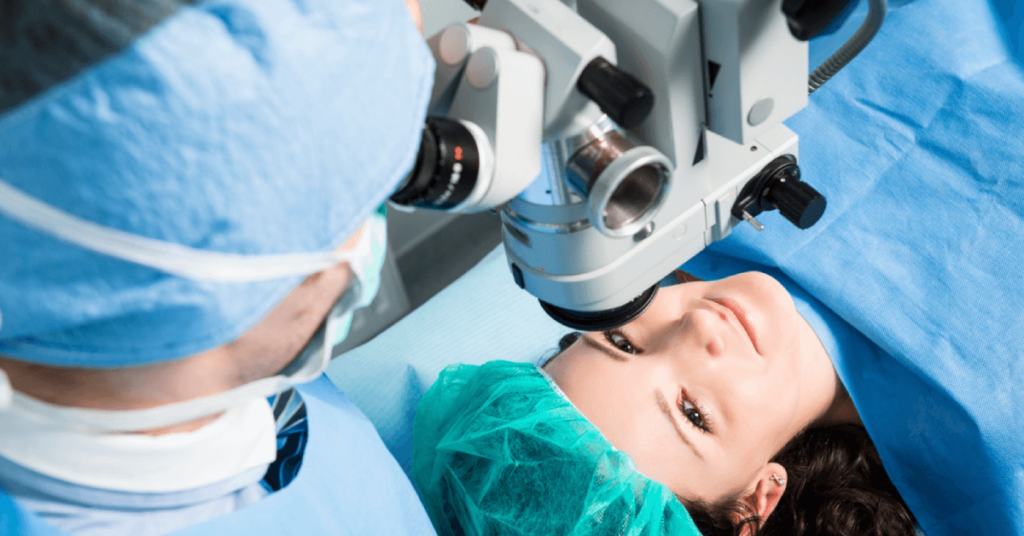
Laser eye surgery is generally quick, precise, and minimally invasive.
Step-by-Step Procedure
- Preparation
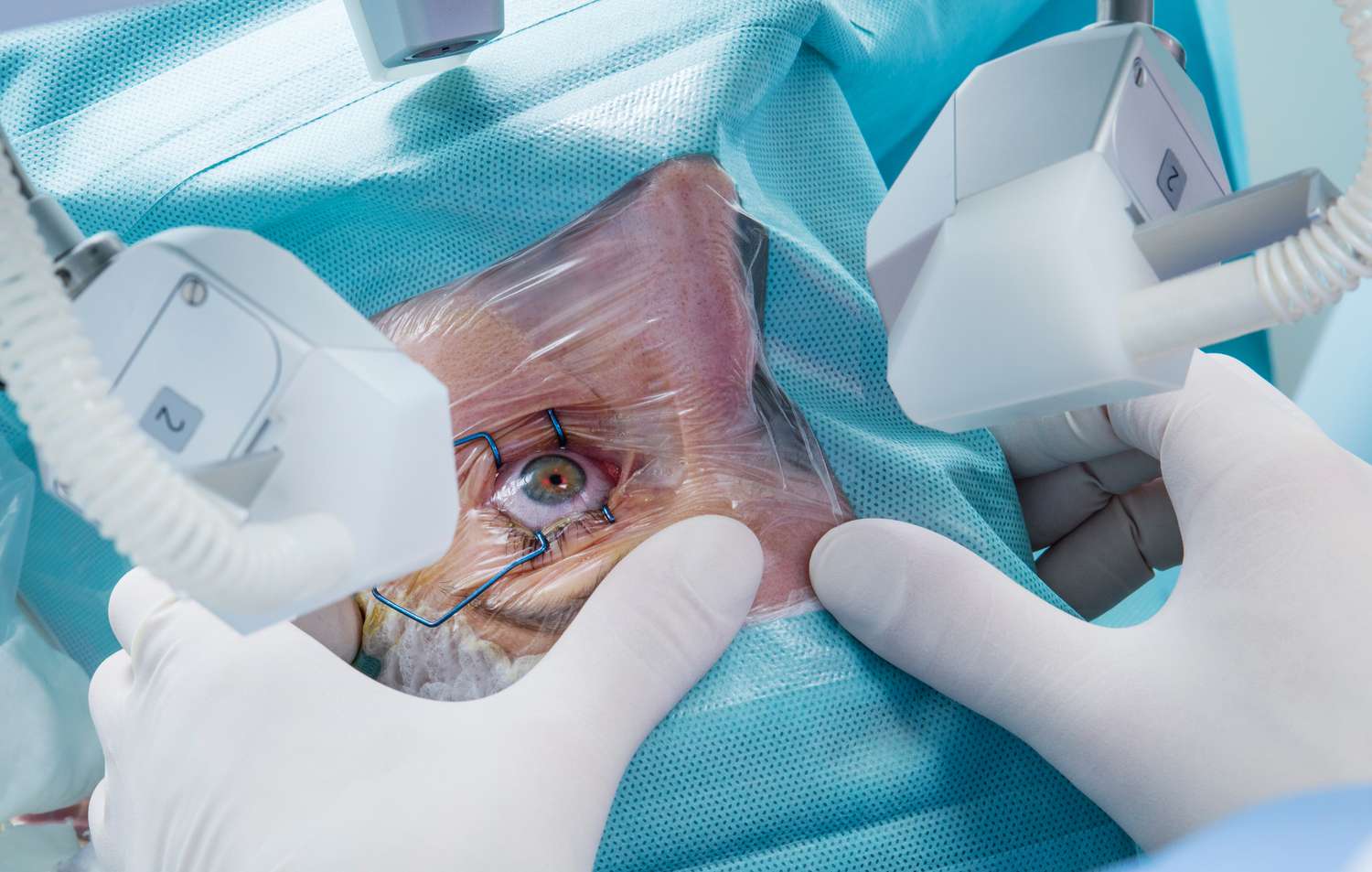
- Numbing eye drops and eyelid holders applied.
- Technique-Specific Steps
- LASIK: Flap creation, laser reshaping, flap reposition.
- PRK: Surface layer removal, laser reshaping, natural corneal regeneration.
- SMILE: Small incision, lenticule removal, minimal disruption.
- Wavefront-Guided LASIK: Customized corneal mapping for precise correction.
- Procedure Duration
- 15–30 minutes for both eyes.
Tip: Bring sunglasses to protect sensitive eyes post-surgery.
Recovery and Aftercare
Recovery timelines vary by technique and individual healing.
Immediate Post-Surgery
- Mild burning, tearing, or blurred vision is normal.
- LASIK and SMILE patients usually notice improvement within 24–48 hours.
First Week
- Follow prescribed eye drop schedules.
- Avoid rubbing eyes, swimming, or dusty environments.
- Attend follow-up appointments.
First Month
- Gradual improvement in visual clarity.
- PRK recovery may take longer due to corneal surface regeneration.
- Avoid strenuous exercise or contact sports.
Recovery Tips
- Use lubricating drops as prescribed.
- Wear sunglasses outdoors.
- Rest and follow ophthalmologist instructions diligently.
Risks, Benefits, and Long-Term Results
Benefits
- Reduced or eliminated reliance on glasses or contact lenses.
- Quick, precise, and generally painless.
- Long-lasting vision improvement.
Risks
- Temporary dry eyes, glare, halos around lights.
- Minor under- or over-correction; sometimes requiring enhancement.
- Rare complications like infection or flap issues (LASIK).
Minimising Risks
- Choose a qualified ophthalmologist.
- Follow all pre- and post-operative instructions.
- Avoid rubbing eyes and risky activities during recovery.
- Attend all follow-up appointments.
Common Myths Debunked
Myth 1: Laser Eye Surgery is Painful
Fact: Most patients experience minimal discomfort. Numbing drops prevent pain, and only slight pressure or burning is common.
Myth 2: Only Young People Can Get Laser Eye Surgery
Fact: Suitable candidates can be adults of all ages with stable vision and healthy corneas. Age alone is not a restriction.
Myth 3: Laser Eye Surgery is Unsafe
Fact: With advances in technology and experienced ophthalmologists, laser eye surgery is extremely safe, with millions of successful procedures worldwide.
Myth 4: Vision May Return to Poor Condition
Fact: Most patients achieve long-term correction. Some age-related changes in vision may occur naturally, not due to surgery.
Myth 5: LASIK Destroys the Eyes
Fact: LASIK reshapes the cornea safely without damaging other parts of the eye. Complications are rare and usually treatable.
Myth 6: Laser Eye Surgery is Extremely Expensive
Fact: While costs vary ($2,000–$5,000 per eye in Australia), many clinics offer financing or payment plans. Considering lifelong savings on glasses and contacts, it can be cost-effective.
Myth 7: Recovery Takes Months
Fact: LASIK and SMILE recovery is fast; most patients resume normal activities within days. PRK may take a few weeks, but recovery is predictable and manageable.
Frequently Asked Questions (FAQ)
Is laser eye surgery painful?
Most patients report only mild pressure or burning, with numbing drops minimizing discomfort.
Who is a suitable candidate?
Adults with stable vision, healthy corneas, and no severe eye conditions.
How long does recovery take?
- LASIK/SMILE: 1–2 days for basic recovery.
- PRK: 3–5 days or longer for clear vision.
What are the common risks?
Temporary dry eyes, glare, halos, or minor under/over-correction. Rare complications are usually treatable.
How much does it cost in Australia?
$2,000–$5,000 per eye depending on the procedure and clinic.