
What types of CPAP machines can Australians choose from?
Most people choose between fixed-pressure CPAP, Auto CPAP (APAP), and BiLevel (BiPAP) devices. Fixed CPAP delivers one set pressure, APAP adjusts pressure through the night, and BiLevel offers different pressures for inhaling and exhaling.
In Australia, APAP is often the most flexible “default” choice for many users, especially when their pressure needs vary by sleep position, congestion, or alcohol use.
Should they choose a fixed-pressure CPAP or an Auto CPAP (APAP)?
With CPAP machines Australia, if their prescribed pressure is stable and they want simplicity, fixed CPAP can work well. If their pressure varies, APAP often improves comfort by using lower pressure when possible and increasing only when needed.
Many people using CPAP machines Australia start with APAP because it can feel easier to tolerate, especially during the first few weeks when adherence is the biggest hurdle.
When is a BiLevel (BiPAP) machine the better option?
BiLevel is usually considered when they need higher pressures, struggle to exhale against CPAP pressure, or have specific clinical needs their clinician is targeting. It can also help some users who fail standard CPAP due to comfort issues.
Because BiLevel devices are typically more expensive, Australians usually move to BiLevel after a specialist review rather than as a first purchase.
Which features matter most when comparing CPAP machines in Australia?
The best CPAP features are the ones that reduce friction and keep therapy comfortable. Key features many users value are heated humidification, heated tubing, exhalation relief, quiet operation, and reliable data tracking.
A machine can be “top-rated” and still be wrong for them if it is noisy to their ears, dries their nose, or is hard for them to clean.
Do they really need heated humidification in Australia?
For many people, yes, especially if they get dry mouth, nasal irritation, or wake with congestion. Heated humidifiers add moisture to airflow, which can reduce dryness and improve comfort.
Australians in cooler climates or using air conditioning and heaters often notice more dryness, so humidification becomes a practical upgrade, not a luxury.
How important is CPAP data tracking and app support?
Data tracking helps confirm whether therapy is working and why it might not be. Useful metrics include AHI, mask leak, usage hours, and pressure trends.
An app can make it easier for them to stay engaged, but it should not replace clinical advice, especially if residual symptoms continue despite “good numbers.”
What are the best CPAP machine brands Australians usually consider?
In Australia, the most commonly considered brands tend to be ResMed, Philips Respironics, and Fisher & Paykel. ResMed is especially popular locally, partly because it is an Australian-founded company and widely supported by clinics and suppliers.
Their “best” brand is typically the one with strong local servicing, easy-to-find accessories, and masks that suit their face and sleeping style.
Should they buy a CPAP machine online or through a clinic?
Buying through a clinic can provide setup help, mask fitting, and follow-up troubleshooting, which can be valuable for new users. Buying online can be cheaper and more convenient, especially for experienced users who already know their pressure range and mask size.
For many Australians, the best path is a hybrid: a professional titration and mask fitting, then competitive pricing for ongoing supplies. Check out more about the top places to find CPAP masks for sale online.
Can they get CPAP machines cheaper in Australia without risking quality?
They can often reduce costs by focusing spending on the mask fit and essential comfort features. A cheaper machine becomes expensive if they stop using it, so value is more important than sticker price.
They can also save by choosing last-generation models from reputable suppliers, avoiding no-name devices with limited support, and timing purchases around promotions.
What should they know about prescriptions, sleep studies, and compliance?
Many Australians start CPAP after a home sleep test or lab study, followed by a prescription or clinician recommendation. Their pressure settings and device type should reflect that clinical pathway, especially if they have complex sleep-disordered breathing.
If they are using CPAP for driving or workplace requirements, they may need compliance reports, so a device with clear usage reporting and reliable data becomes important.
Which masks pair best with CPAP machines for different sleepers?
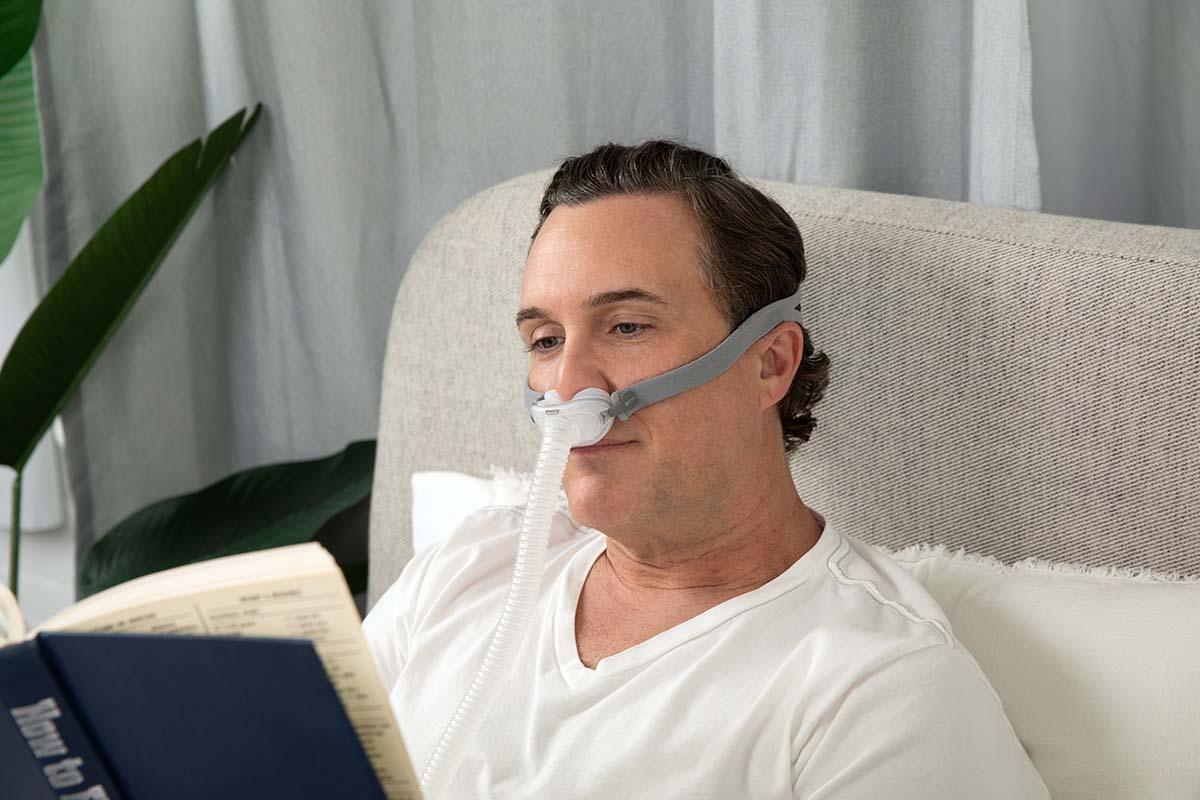
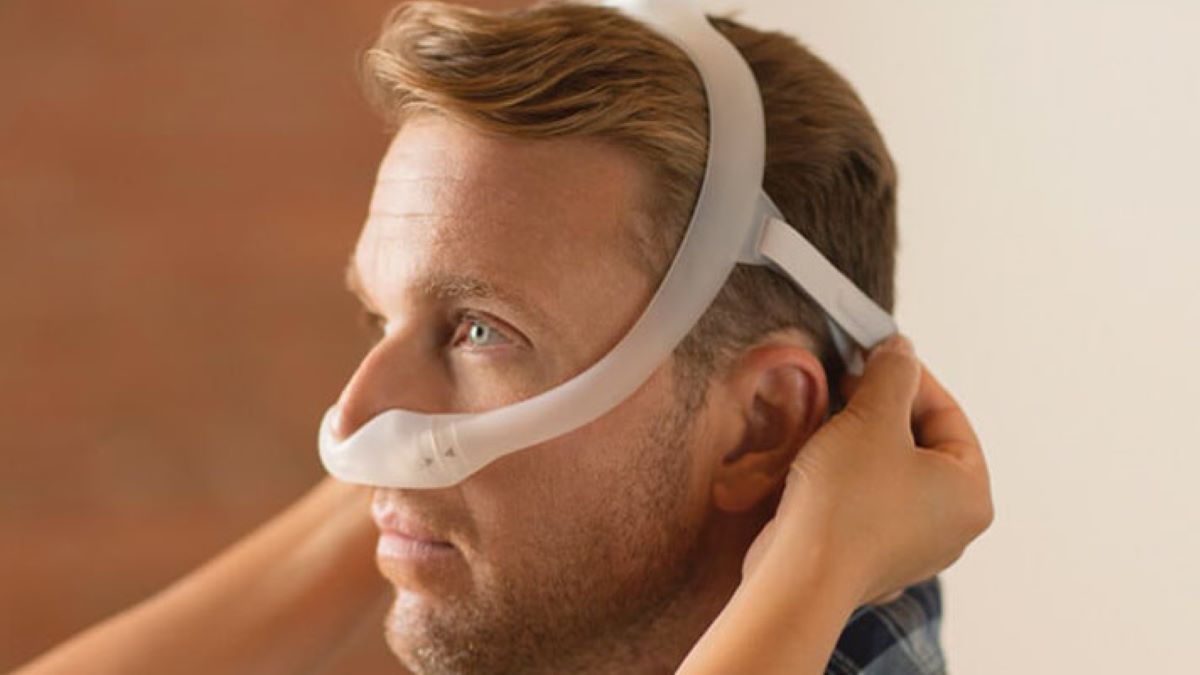
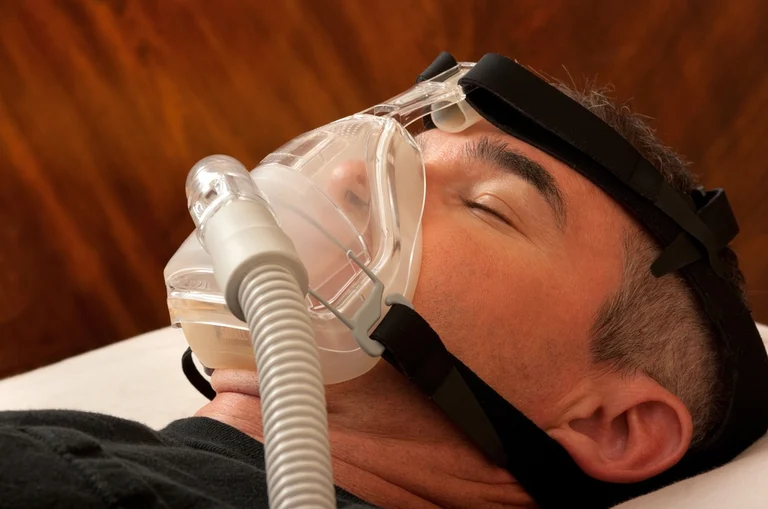
Masks matter as much as machines because leaks and discomfort are common reasons people quit. Nasal pillows can suit side sleepers and people who feel claustrophobic, nasal masks work well for many, and full-face masks help those who breathe through their mouth.
A mask is “best” when it seals comfortably at their typical sleep position, not just when it feels fine sitting upright during a fitting. You may like to visit https://pmc.ncbi.nlm.nih.gov/articles/PMC7640631/ to learn more about the importance of mask selection on continuous positive airway pressure outcomes for obstructive sleep apnea: an official American Thoracic Society workshop report.
What is the simplest way to choose the best CPAP option in Australia?
They should start with their sleep study results, then prioritise comfort and support. For many Australians, an APAP with heated humidification, exhalation relief, and solid data tracking is the safest all-round pick, paired with a properly fitted mask.
If they want a simple checklist, it is this: correct device type for their condition, quiet operation, humidity support, easy cleaning, and a supplier that will help them troubleshoot fast.
FAQs (Frequently Asked Questions)
What types of CPAP machines are available for Australians with sleep apnoea?
Australians can choose from fixed-pressure CPAP, Auto CPAP (APAP), and BiLevel (BiPAP) machines. Fixed CPAP delivers a constant pressure, APAP adjusts pressure throughout the night based on needs, and BiLevel provides different pressures for inhaling and exhaling, catering to specific clinical requirements.
Should I opt for a fixed-pressure CPAP or an Auto CPAP (APAP) machine?
If your prescribed pressure is stable and you prefer simplicity, a fixed-pressure CPAP may suffice. However, if your pressure needs vary due to factors like sleep position or congestion, an APAP machine often improves comfort by adjusting pressure as needed. Many Australians start with APAP for easier tolerance during initial therapy stages.
When is a BiLevel (BiPAP) machine recommended over other CPAP options?
BiLevel machines are typically recommended for users requiring higher pressures, those who find exhaling against continuous pressure difficult, or individuals with specific clinical indications. Due to their higher cost and specialized use, BiLevel devices are usually considered after specialist evaluation rather than as an initial choice.
What key features should I look for in a CPAP machine in Australia?
Essential features that enhance comfort include heated humidification to reduce dryness, heated tubing, exhalation relief to ease breathing out, quiet operation for undisturbed sleep, and reliable data tracking to monitor therapy effectiveness. Selecting a machine that fits personal comfort needs is crucial for consistent use.
Is heated humidification necessary for CPAP therapy in Australia?
Heated humidification is highly beneficial for many users, especially those experiencing dry mouth, nasal irritation, or congestion upon waking. In Australia’s cooler climates or environments using air conditioning and heating, adding moisture through heated humidifiers can significantly improve comfort and adherence to therapy.
Should I buy my CPAP machine online or through a clinic in Australia?
Purchasing through a clinic offers advantages like professional setup assistance, mask fitting, and ongoing support—valuable for new users. Online purchases may be more cost-effective and convenient for experienced users familiar with their settings. A combined approach—professional fitting followed by competitive supply purchasing—is often the best strategy.