
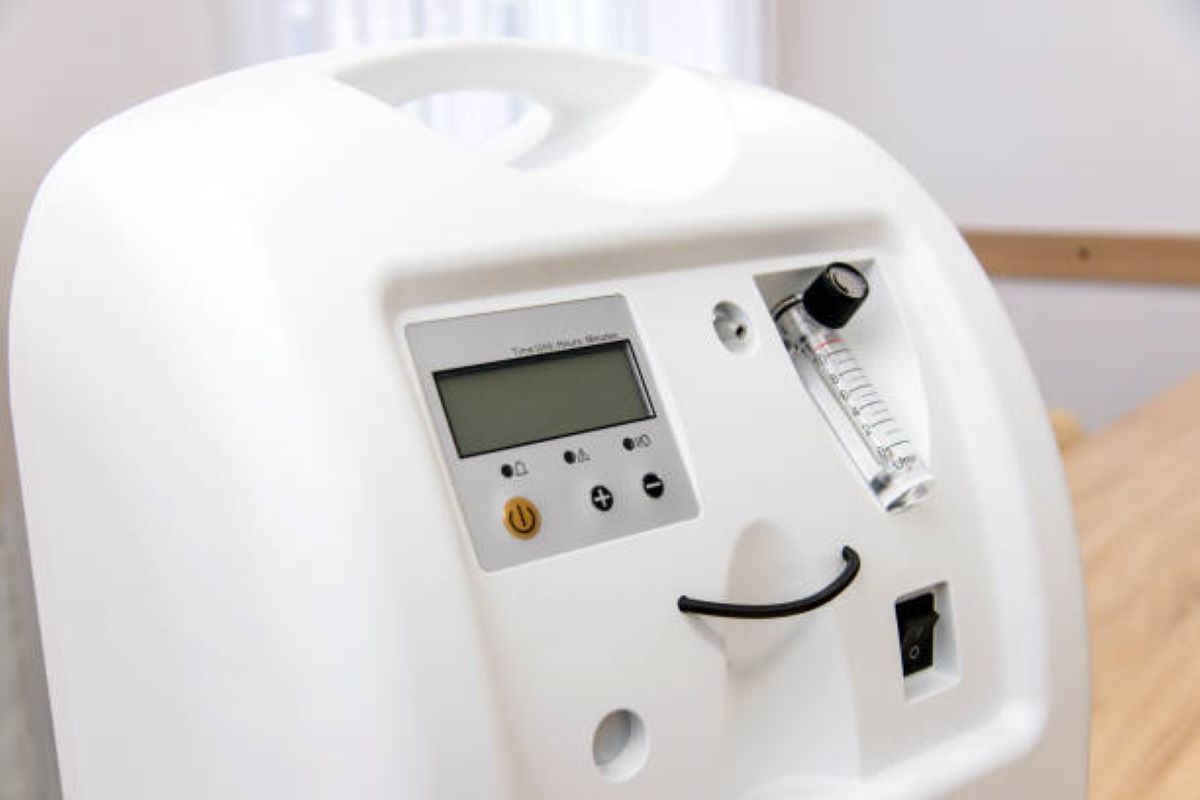
Buying an oxygen concentrator is not just about flow rates and noise levels. For Australian households and care teams, the warranty and servicing terms often decide whether the device stays reliable over the long haul.
This guide explains what buyers typically need to check, how servicing usually works in Australia, and what to do if something goes wrong, with a focus on Philips oxygen concentrator Australia owners and carers.
What does a typical warranty cover for Australian buyers?
A warranty usually covers manufacturing faults that occur during normal, intended use. For many Australian buyers, that means parts and labour for eligible repairs during the warranty period, as assessed by the supplier or an authorised repairer.
It usually does not cover accidental damage, misuse, unauthorised repairs, incorrect power supply, or consumables that wear out with use. For Philips oxygen concentrator Australia purchases, coverage terms can differ depending on whether the unit is new, refurbished, or provided through a program.
How long is the warranty period likely to last?
The warranty period is typically expressed in years from the purchase date, and proof of purchase is usually required. Some warranties also vary by component, for example, different coverage for the concentrator body versus accessories.
Australian buyers should confirm the exact term on the invoice and warranty card, not just a listing page. If they are comparing options in Philips oxygen concentrator Australia, they should request the written warranty terms before paying.
Who is responsible for warranty support in Australia?
Warranty support is usually handled by the Australian supplier, distributor, or the seller named on the tax invoice. Even when the brand is global, the practical process is often local, with an Australian contact point for claims and logistics.
If they bought through a marketplace, they should still identify who actually provides warranty service in Australia. For Philips oxygen concentrator Australia units, the “seller of record” matters because it affects turnaround times, loan units, and where repairs can be done.
What proof and paperwork should buyers keep?
They should keep the tax invoice, serial number details, and any delivery documentation. Many claims stall because the supplier cannot match the device to the purchase record.
It also helps to keep a simple log of hours used (if the unit tracks it), filter changes, and any error codes. This makes it easier to show normal use, which is important for Philips oxygen concentrator Australia warranty assessments.
What servicing is usually required to keep a concentrator in good order?
Most servicing needs fall into two categories: routine maintenance by the user and scheduled checks by a technician. User tasks often include cleaning external surfaces and replacing or cleaning filters as directed.
Scheduled servicing can include internal checks, performance testing, and inspection of wear items. For Philips oxygen concentrator Australia owners, the supplier should provide a servicing schedule aligned with the specific model and Australian conditions like dust and pet hair exposure.
Does missing servicing affect warranty eligibility?
Often, yes. If a warranty requires maintenance to be performed and documented, missing it can complicate a claim, especially when a failure could be linked to blocked filters or overheating.
Australian buyers should ask what maintenance is mandatory versus recommended and how to record it. For Philips oxygen concentrator Australia users, it is worth confirming whether servicing must be done by an authorised technician or whether user maintenance is sufficient between scheduled checks.
Where can servicing be done in Australia?
Servicing is typically done through the supplier’s network, an authorised service agent, or a repair centre that handles medical oxygen equipment. In metro areas such as Sydney, Melbourne, Brisbane, Perth, and Adelaide, service access is usually faster.
For regional and remote areas, they may need courier pickup or a scheduled technician visit. For Philips oxygen concentrator Australia buyers outside capital cities, they should ask about freight costs, packing requirements, and typical turnaround time before purchasing.
How do warranties usually treat freight, call-out fees, and loan units?
This is where terms differ the most. Some warranties cover parts and labour but not transport, call-out fees, or after-hours support. Others provide pickup and return, or offer a loan unit for medically dependent users.
Buyers should ask for the “who pays what” list in writing. For Philips oxygen concentrator Australia households, loan unit availability can be as important as the repair itself, especially if oxygen is required daily.
What issues are commonly excluded from warranty coverage?
Common exclusions include damage from drops, liquid ingress, smoke exposure, pest infestation, and use outside the stated operating environment. Using non-approved accessories or modifying the device can also void coverage.
Consumables are often excluded too, such as filters, tubing, nasal cannulas, and batteries for portable units. For Philips oxygen concentrator Australia devices, buyers should check whether sieve beds, compressors, and internal sensors have special conditions or prorated coverage.
How should they start a warranty claim in Australia?
They should contact the supplier first with the serial number, purchase date, and a clear description of the fault. Photos or short videos of error codes, unusual sounds, or alarm behaviour can speed up triage.
They should avoid opening the unit or attempting internal repairs. For Philips oxygen concentrator Australia claims, unauthorised repair attempts can lead to denial, even if the original issue was covered.
What should they do if the unit is needed urgently while awaiting repair?
They should ask the supplier about temporary options immediately, including loan units, rental units, or expedited service. If oxygen therapy is clinically required, they may also check with their clinician about backup planning.
If they are in Australia and the supplier cannot provide an interim solution, they can consider short-term hire from a reputable local provider. For Philips oxygen concentrator Australia owners, planning a backup option before the first issue arises can reduce risk.
How can buyers tell if they are dealing with an authorised Australian unit?
They should confirm the Australian warranty is honoured locally, not “return to overseas seller.” They should also check that the power supply, plug type, and documentation suit Australian standards and usage.
If the deal looks unusually cheap, it may be a grey import, which can complicate service access. For Philips oxygen concentrator Australia buyers, local support is usually worth more than a small upfront saving.
What do Australian Consumer Law rights add on top of the warranty?
Australian Consumer Law (ACL) provides automatic consumer guarantees that apply regardless of any manufacturer warranty. If a product has a major failure, buyers may be entitled to a replacement or refund, and for other failures they may be entitled to repair within a reasonable time.
ACL can apply even after an express warranty ends, depending on what is considered a reasonable lifespan for the product. For Philips oxygen concentrator Australia buyers, understanding ACL helps when a supplier offers only a narrow remedy that does not match their legal rights.
How should they handle a dispute about warranty or servicing?
They should keep communication in writing, be specific about the fault, and request the supplier’s assessment in writing. If the supplier refuses coverage, they can ask which exclusion they are relying on and what evidence supports that position.
If it remains unresolved, they can contact their state or territory fair trading body or consumer affairs office. For Philips oxygen concentrator Australia owners, a calm paper trail often resolves issues faster than repeated phone calls.
What questions should they ask before buying in Australia?
They should ask about warranty length, what is covered, who performs servicing, and what happens if the unit fails. They should also ask about servicing intervals, costs after warranty, and whether loan units are available.
A short checklist helps:
- Who is the Australian warranty provider named on the invoice?
- Is freight covered both ways?
- Are call-outs available for regional areas?
- Are consumables included or excluded?
- Is there a local service centre and typical turnaround time?
For Philips oxygen concentrator Australia purchases, these answers often matter more than small differences in specs.
How can they reduce breakdown risk through everyday care?
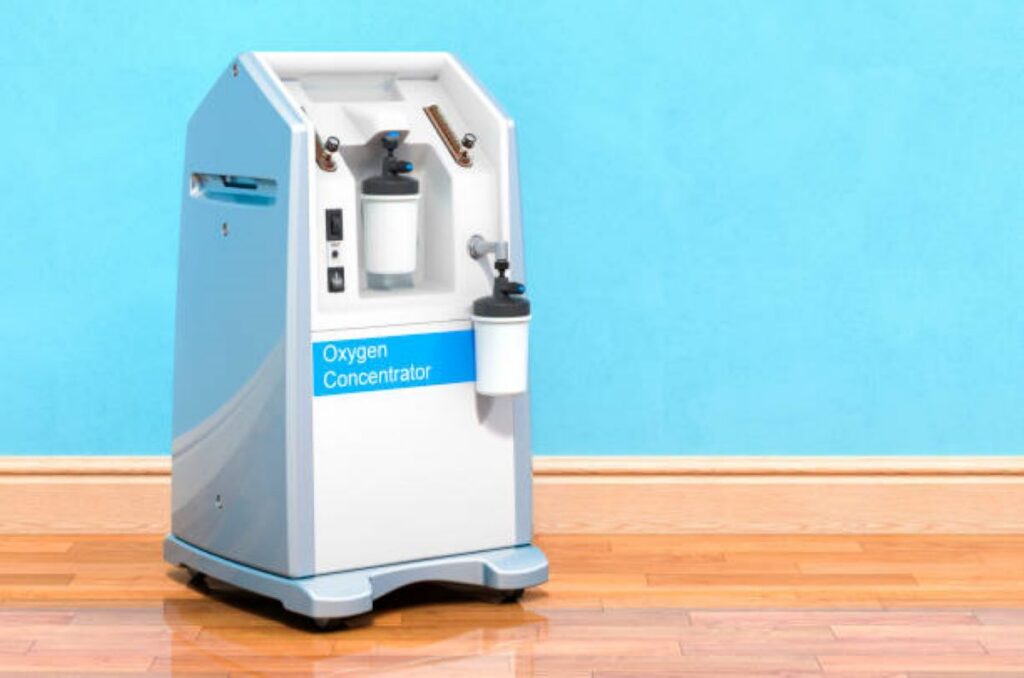
They can reduce issues by keeping vents clear, cleaning or replacing filters on schedule, and avoiding dusty corners or enclosed cabinets. They should also use a proper power point, avoid overloaded power boards, and keep the unit away from heat sources.
If alarms occur, they should follow the manual steps first and contact support if the alarm persists. For Philips oxygen concentrator Australia users, consistent basic care is the simplest way to protect both performance and warranty outcomes.
What should they expect after the warranty ends?
After warranty, servicing becomes a paid arrangement, so buyers should ask for typical costs of common repairs and annual service checks. They should also ask whether spare parts are stocked in Australia and how long the supplier expects to support the model.
If the unit is older, they may need to weigh repair cost versus replacement, especially if the device has high run hours. For Philips oxygen concentrator Australia owners, planning for end-of-life support avoids sudden disruptions.
What is the simplest takeaway for Australian buyers?
They should treat warranty and servicing terms as part of the purchase, not an afterthought. The best outcome usually comes from buying through a supplier that offers clear written coverage, local servicing pathways, and practical support if the unit is needed daily.
For Philips oxygen concentrator Australia buyers, the safest approach is to confirm local warranty support, understand servicing expectations, keep good records, and know their ACL rights if something goes wrong.
Related : How an Oxygen Concentrator Philips Model Differs From Competitors